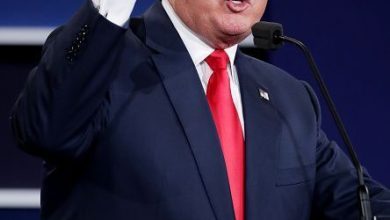
President Trump’s aggressive tariff policies, bolstered by a recent Supreme Court ruling affirming executive authority on import surcharges, have ignited a fierce debate across America. Implemented in early 2026, these measures impose hefty duties on goods from China, Europe, and other
trading partners, aiming to protect domestic industries and promote “America First” reshoring. Blue-collar workers in states like Michigan and Ohio are cheering the move, with reports from the Bureau of Labor Statistics showing a surge in manufacturing jobs—over 500,000 added
since Trump’s reelection. Companies in AI, semiconductors, and renewable energy are relocating operations back to the U.S., fueled by incentives and tariff barriers that make foreign competition less viable.
Trump’s allies point to success stories: steel mills reopening in Pennsylvania, auto plants expanding in the South, and a revitalized energy sector independent of foreign oil. Editorial pieces in outlets like The Wall Street Journal praise this as a long-overdue correction to decades of unfair
trade practices, echoing Trump’s mantra that previous administrations sold out American workers.
However, the costs are mounting. Families are feeling the squeeze as prices for electronics, clothing, and household essentials climb 10-20%, according to Consumer Price Index data. Small businesses reliant on imports are struggling, and retaliatory tariffs from allies like Canada
threaten agricultural exports, hitting farmers hard in the heartland. Critics in The New York Times and economic think tanks warn of alienated trading partners, potential supply chain disruptions, and inflationary pressures that could derail the recovery.
So, is this a win for American jobs or a self-inflicted wound? While the base rallies behind the protectionism, independents and economists call for nuance—perhaps targeted tariffs with diplomatic outreach. As midterms loom, Trump’s strategy may boost turnout among loyalists, but at the risk of broader economic backlash. The true cost? A divided nation weighing short-term gains against long-term global isolation.